Most placements are agreed at short notice. Somewhere between the phone call and the young person arriving at the front door, there is a window of a day or two, and what happens in that window shapes the first fortnight more than almost anything else.
This is what our teams do with that time.
We read the file properly, then we read it again for the gaps
The referral paperwork tells us what has happened. It rarely tells us what helps. So alongside the formal history, the manager and the named keyworker work through a second list: what does this young person like, what do they avoid, who are they still in contact with, and what has previously gone wrong at the start of a placement.
Where we can, we ring the previous carer or the previous home. Five minutes with someone who actually knew them is worth more than fifty pages.
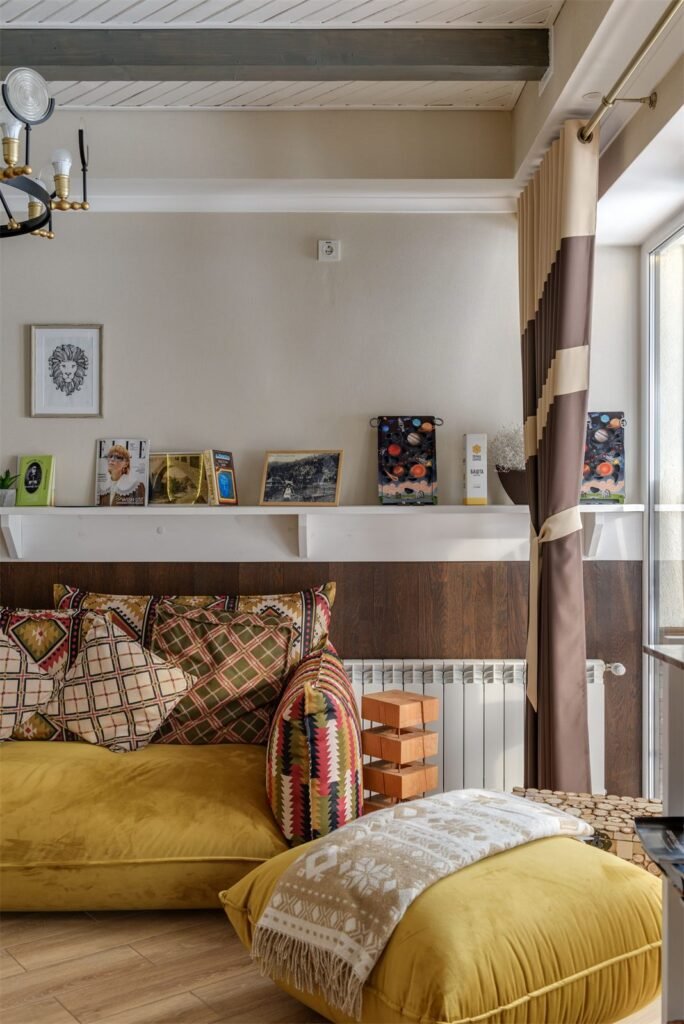
The bedroom is not made generic
A room that looks like nobody has ever lived in it sends a clear message: you are temporary here. We do the opposite.
- Bedding is chosen to suit their age, not the linen cupboard.
- If we know a favourite team, band or colour, something in the room reflects it.
- There is a lamp, so the room can be lit without the main light on. Small thing, big difference at 2am.
- Wall space is deliberately left empty, with tape and frames ready, because the room is theirs to finish.
- There is food they recognise in the kitchen before they arrive.
We never fully decorate a room in advance. Choosing what goes on the walls is one of the first pieces of control a young person gets back, and handing that over on day one matters more than a perfect room on day zero.
The other young people are prepared too
A new arrival changes the house for everyone already living in it. We tell the existing young people that someone is coming, roughly when, and what we are asking of them, which is usually nothing more than a normal first evening.
We also ask them what they remember about their own first night, and what they wish had been different. Some of the best ideas in our homes have come from that question, including the practice of leaving a written note in the room with the names of who is on shift that night and what time breakfast is.
You cannot control how a first night feels. You can control how much of it is unknown.
Staffing for the first 72 hours is planned separately
The first three days run on a dedicated rota. The keyworker is on shift for the arrival and again the next morning, so the first face and the second face are the same one. Agency cover is avoided entirely in that window wherever it is possible to do so.
We also agree in advance who does not approach. If the file suggests a young person has had difficult experiences with a particular gender of adult, or with anyone in a lanyard, we plan around that rather than testing it on night one.
The arrival itself is kept small
Two staff, not five. No welcome committee in the hallway. The tour is offered rather than given, and it stops the moment they lose interest. Paperwork waits. The one thing we always do on arrival is show them where the food is and tell them they can help themselves, at any hour, without asking.
For a young person who has experienced neglect, unrestricted access to a full kitchen is not a detail. It is often the first genuinely reassuring thing about the house.
Day four is when the real plan starts
We do not write a full care plan in week one based on a young person in crisis. The first days are for settling, observing and learning. The plan that follows is built with them, and it is written in language they would actually use about themselves.
If you are considering a placement with us and want to walk through how we would prepare for a specific young person, we are always happy to talk it through before any paperwork exists.